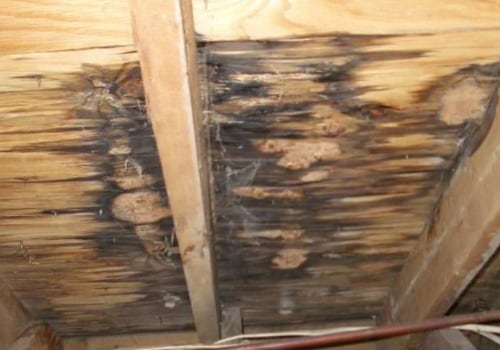
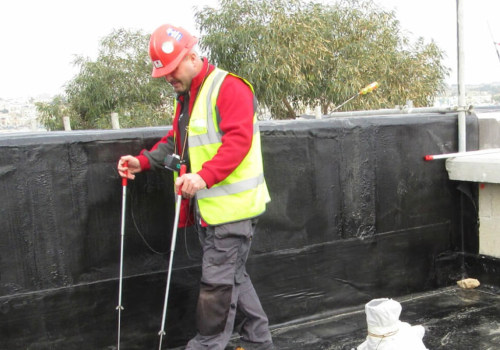
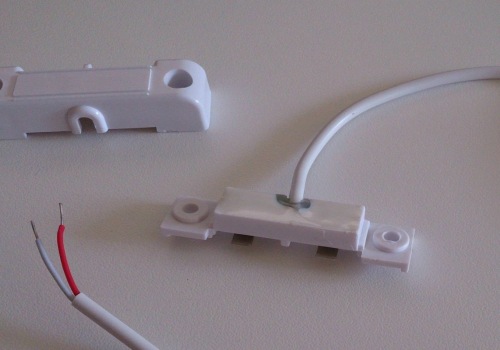
Roof leak detection is a critical aspect of maintaining the integrity and safety of any building. Water intrusion can lead to significant structural damage, mould growth, and costly repairs if not addressed promptly. Understanding how water leak detectors function is essential for homeowners, property managers, and construction professionals alike. These devices serve as the first line of defence against water damage, providing early warnings that can prevent extensive harm.At its core, roof leak detection involves identifying the presence of water where it should not be.
This can be achieved through various methods, including traditional visual inspections and advanced technological solutions. The latter often employs sophisticated sensors that can detect moisture levels or changes in temperature, alerting users to potential leaks before they escalate into major issues. By grasping the mechanics behind these systems, individuals can make informed decisions about their installation and maintenance.Moreover, the importance of timely leak detection cannot be overstated. A small leak can quickly evolve into a larger problem, leading to increased repair costs and potential health hazards due to mould proliferation.
With the advent of smart technology, modern water leak detectors offer features such as real-time monitoring and remote alerts, allowing users to take immediate action regardless of their location. This proactive approach not only safeguards properties but also enhances peace of mind.As we delve deeper into the various methods and technologies used in roof leak detection, it becomes clear that understanding these systems is vital for effective property management. From acoustic sensors that listen for leaks to advanced cable systems that monitor larger areas, each method has its unique advantages and applications. By exploring these options, readers will gain valuable insights into how best to protect their homes from the damaging effects of water leaks.
What Are Water Leak Detectors?
Water leak detectors are essential devices designed to identify the presence of unwanted water in areas where it can cause significant damage.These systems play a crucial role in safeguarding homes and businesses from the devastating effects of water leaks, which can lead to structural damage, mould growth, and increased utility bills. By detecting leaks early, these devices help mitigate potential losses and provide peace of mind to property owners.There are several types of water leak detectors available on the market, each with its unique features and functionalities:
- Point Leak Detectors: These are the most common type of water leak detectors. They are typically placed in areas prone to leaks, such as basements, under sinks, or near appliances. When water comes into contact with the sensor, it triggers an alarm or notification, alerting homeowners to the issue.
- Cable or Rope Leak Sensors: Ideal for monitoring larger areas, these sensors consist of a cable that can be laid out across floors or walls.
They detect moisture along their length and are particularly useful in commercial settings or large residential properties where multiple points need monitoring.
- Smart Water Leak Detectors: These advanced devices connect to your home’s Wi-Fi network and can send alerts directly to your smartphone. Many smart detectors also integrate with home automation systems, allowing for automatic shut-off of water supply when a leak is detected.
- Ultrasonic Leak Detectors: These devices use ultrasonic sound waves to detect leaks in pressurised systems, such as pipes. They are particularly effective for identifying leaks that may not produce visible signs of water.
With the increasing prevalence of smart home technology, integrating leak detection systems into your home can enhance overall safety and efficiency.
How Do Water Leak Detectors Work?
Water leak detectors employ a variety of sophisticated technologies to identify the presence of leaks in plumbing systems, roofs, and other structures. Understanding how these devices operate can help homeowners and businesses choose the right solution for their needs.Mechanical Leak Detection
One of the most traditional methods of leak detection involves mechanical systems. These devices typically use a turbine mechanism that measures the flow of water through pipes. When water flows through the turbine, it spins and generates a reading that indicates the volume of water passing through.
If there is an unexpected increase in flow, it may signal a leak. This method is particularly effective for monitoring large systems where significant changes in water flow can be easily detected.
Ultrasonic Leak Detection
Ultrasonic leak detectors operate on a different principle. They use high-frequency sound waves to detect leaks. When water escapes from a pipe, it creates a sound that can be picked up by ultrasonic sensors.
These sensors convert the sound waves into electrical signals, which are then analysed to determine if a leak is present. This method is highly sensitive and can detect even minor leaks that might go unnoticed by other systems.
Acoustic Leak Detection
Acoustic leak detection is another prevalent technique used in both residential and commercial settings. This method involves placing microphones or sensors along the piping system to listen for sounds associated with leaks. The sensors can detect both high-frequency sounds from small leaks and lower-frequency sounds from larger ruptures.
By analysing these sounds, technicians can pinpoint the location of the leak with remarkable accuracy.
Smart Leak Detection Systems
In recent years, smart technology has revolutionised leak detection. Intelligent systems integrate various technologies, including mechanical, ultrasonic, and acoustic methods, to provide comprehensive monitoring solutions. These systems often feature connectivity options that allow users to receive alerts on their smartphones or computers when a leak is detected. Some advanced models can even automatically shut off the water supply to prevent further damage.In conclusion, understanding the mechanisms behind water leak detection is crucial for effective monitoring and maintenance of plumbing systems.
Whether through mechanical means, ultrasonic waves, or acoustic analysis, each method offers unique advantages that cater to different environments and requirements.
Types of Water Leak Detection Technologies
Water leak detection technologies have evolved significantly, offering various methods to identify leaks in residential and commercial properties. Understanding these technologies can help property owners choose the most suitable system for their needs.Acoustic Leak Detection
One of the most widely used methods for detecting water leaks is acoustic leak detection. This technology relies on the principle that water leaks generate sound waves as they escape from pipes. Acoustic sensors are strategically placed along plumbing systems to listen for these sounds.When a leak occurs, the sensor picks up the noise and transmits this information to a monitoring system.Acoustic leak detection is particularly effective in identifying leaks in pressurised systems, such as those found in heating and cooling systems. The technology can detect even the faintest sounds, allowing for precise location of leaks without extensive excavation or disruption.
Ultrasonic Leak Detection
Ultrasonic leak detection
is another advanced method that utilises high-frequency sound waves to identify leaks. Unlike acoustic detection, which focuses on audible sounds, ultrasonic devices detect sound waves that are above the range of human hearing. These devices can pinpoint leaks by measuring the intensity and frequency of the ultrasonic signals emitted by escaping water.This technology is particularly useful in industrial settings where pressurised systems are prevalent.
Ultrasonic detectors can quickly identify leaks in compressed air systems, steam lines, and other applications where traditional methods may fall short.
Intelligent Leak Detection Systems
In recent years, intelligent leak detection systems have gained popularity due to their ability to integrate with smart home technology. These systems often combine multiple detection methods, including acoustic and ultrasonic technologies, to provide comprehensive monitoring of water systems.Intelligent systems can automatically shut off water supply when a leak is detected, preventing extensive damage and reducing water waste. Many of these devices also offer remote monitoring capabilities, allowing homeowners to receive alerts on their smartphones if a leak is detected while they are away.In conclusion, understanding the different types of water leak detection technologies available can empower property owners to make informed decisions about protecting their homes and businesses from potential water damage.The Role of Smart Technology in Leak Detection
In recent years, the advent of smart technology has revolutionised the way we approach leak detection. Smart water leak detectors are designed to integrate seamlessly with home automation systems, providing homeowners with enhanced monitoring capabilities and peace of mind.These intelligent leak detection systems utilise advanced sensors that can detect even the smallest amounts of water.When a leak is identified, the system can send immediate alerts to the homeowner's smartphone or other connected devices. This feature is particularly beneficial for those who travel frequently or spend extended periods away from home, as it allows for real-time monitoring of potential water damage.One of the standout features of smart leak detectors is their ability to automatically shut off the water supply in the event of a detected leak. This rapid response can significantly minimise damage and reduce repair costs. For instance, if a washing machine hose bursts while you are away, a smart detector can cut off the water supply within seconds, preventing a potential flood.Moreover, many of these systems are equipped with additional functionalities such as temperature and humidity monitoring.
By keeping track of these environmental factors, smart detectors can provide insights into conditions that may lead to leaks or other plumbing issues. This proactive approach not only helps in identifying leaks early but also aids in maintaining the overall health of your plumbing system.Installation of smart leak detection systems is generally straightforward, often requiring only a Wi-Fi connection and a compatible app on your smartphone. Some models even offer integration with existing home automation platforms, allowing users to create custom alerts and responses based on their specific needs.In summary, the role of smart technology in roof leak detection and overall water management cannot be overstated. With features like remote monitoring, automatic shut-off capabilities, and environmental tracking, these intelligent systems provide an invaluable layer of protection for homeowners.
Investing in such technology not only safeguards your property but also contributes to more efficient water usage and conservation efforts.
Installation and Maintenance of Water Leak Detectors
Installing water leak detectors is a crucial step in safeguarding your home from potential water damage. The installation process can vary depending on the type of detector you choose, but there are some general guidelines that can help ensure optimal performance.Installation Process
When installing a water leak detector, consider the following steps:- Choose the Right Location: Select areas prone to leaks, such as basements, near water heaters, under sinks, and around washing machines. Ensure that the detector is placed on a flat surface and not obstructed by furniture or appliances.
- Follow Manufacturer Instructions: Each device comes with specific installation guidelines. Adhering to these instructions is essential for proper functionality.
- Connect to Power Source: For wired detectors, ensure a secure connection to the power supply.
For battery-operated models, install fresh batteries and check that they are correctly positioned.
- Test the Device: After installation, test the detector by exposing it to water. This will confirm that it is functioning correctly and will alert you in case of a leak.
Maintenance Tips
To keep your water leak detectors in top condition, regular maintenance is essential. Here are some tips:- Regular Testing: Test your detectors monthly to ensure they are operational. This simple step can save you from significant damage in case of an undetected leak.
- Battery Replacement: For battery-operated models, replace batteries at least once a year or as recommended by the manufacturer.
Consider marking your calendar for this task to avoid forgetting.
- Clean the Sensors: Dust and debris can accumulate on sensors over time. Gently clean them with a soft cloth to maintain sensitivity and accuracy.
- Check for Updates: If your detector is smart-enabled, check for firmware updates regularly. Manufacturers often release updates that enhance performance and security features.
Common Issues with Water Leak Detectors
Water leak detectors are invaluable tools for safeguarding your home from potential water damage. However, like any technology, they can encounter issues that may hinder their performance.Understanding these common problems and knowing how to troubleshoot them can ensure that your leak detection system operates effectively.
1.False Alarms
One of the most frequent issues users face is false alarms. These can be triggered by:
- Moisture from high humidity levels.
- Condensation on pipes or surfaces.
- Accidental contact with water from cleaning or spills.
2.Sensor Malfunction
Sensors can sometimes fail due to various reasons, including:
- Battery depletion.
- Corrosion from prolonged exposure to moisture.
- Physical damage from impacts or environmental factors.
If issues continue, consult the manufacturer’s guidelines for further troubleshooting steps.
3.Connectivity Issues
For smart water leak detectors that rely on Wi-Fi or Bluetooth connectivity, users may experience connection problems. This can be due to:
- Weak Wi-Fi signal in the installation area.
- Interference from other electronic devices.
- Outdated firmware or software.
4.Inconsistent Alerts
If your water leak detector is not sending alerts consistently, it may be due to:
- Poor battery life affecting performance.
- Incorrect settings in the app or device configuration.
- Environmental factors affecting sensor sensitivity.
Benefits of Using Water Leak Detectors in Your Home
Installing water leak detectors in your home offers a multitude of benefits that extend beyond mere convenience.These devices serve as a proactive measure to safeguard your property against the potentially devastating effects of water damage.
1.Early Detection of Leaks
One of the primary advantages of water leak detectors is their ability to identify leaks at an early stage. By monitoring moisture levels and detecting unusual water flow, these devices can alert homeowners to leaks before they escalate into significant problems. This early detection can save you from costly repairs and extensive damage to your home.
2.Prevention of Structural Damage
Water leaks can lead to severe structural issues, including mould growth, wood rot, and compromised foundations. By using a water leak detector, you can mitigate these risks significantly.
The timely alerts provided by these devices allow you to address leaks promptly, preserving the integrity of your home.
3.Water Conservation
In an age where water conservation is increasingly important, leak detectors play a crucial role in reducing unnecessary water waste. By identifying leaks quickly, you can ensure that your household uses only the water it needs, contributing to environmental sustainability and lowering your utility bills.
4.Peace of Mind
Knowing that you have a reliable system in place to detect leaks provides peace of mind for homeowners. Whether you're at home or away, these devices continuously monitor for potential issues, allowing you to relax without the constant worry of undetected leaks causing damage.
5.Increased Property Value
Homes equipped with modern safety features, such as water leak detectors, often see an increase in property value. Prospective buyers are more likely to be attracted to homes that demonstrate a commitment to maintenance and safety, making these devices a worthwhile investment.
6.Cost Savings on Repairs
The financial implications of ignoring leaks can be staggering.
Water damage repairs can run into thousands of pounds, not to mention the potential costs associated with mould remediation and structural repairs. By investing in a water leak detection system, you can avoid these expenses by addressing issues before they become major problems.In conclusion, the benefits of using water leak detectors in your home are clear. From early detection and prevention of structural damage to promoting water conservation and providing peace of mind, these devices are an essential addition to any household looking to protect their property and resources effectively.
Frequently Asked Questions About Roof Leak Detection
When it comes to roof leak detection, many homeowners have questions about how these systems work and what to expect. Below are some of the most frequently asked questions regarding water leak detectors and their functionality.What is a roof leak detector?
A roof leak detector is a device designed to identify the presence of water leaks in roofing systems.These detectors can be installed in various locations, including attics, ceilings, and near plumbing fixtures, to monitor for moisture that may indicate a leak.
How do water leak detectors work?
Water leak detectors typically use sensors that can detect moisture or changes in humidity levels. When water is detected, the system triggers an alarm or sends a notification to the homeowner's smartphone. Some advanced models can even automatically shut off the water supply to prevent further damage.Are there different types of roof leak detection systems?
- Acoustic Sensors: These devices listen for sounds associated with leaks, such as dripping or flowing water.
- Capacitive Sensors: These sensors detect changes in capacitance caused by the presence of water.
- Ultrasonic Sensors: These systems use ultrasonic waves to identify leaks by measuring sound waves that travel through the air or materials.
How can I tell if my roof has a leak?
Signs of a roof leak may include water stains on ceilings or walls, damp spots in the attic, or visible mould growth. If you suspect a leak, it’s essential to investigate promptly to prevent further damage.Can I install a roof leak detection system myself?
While some basic systems are designed for DIY installation, it is often recommended to consult with a professional.A licensed plumber or roofing expert can ensure that the system is installed correctly and functions as intended.
What should I do if my water leak detector goes off?
If your water leak detector alerts you to a potential leak, it’s crucial to act quickly. First, turn off the main water supply to prevent further flooding. Then, inspect the area for visible signs of water damage and contact a professional for assistance.Understanding these aspects of roof leak detection can help homeowners take proactive measures in protecting their properties from water damage.Conclusion: The Importance of Roof Leak Detection Systems
In conclusion, the significance of roof leak detection systems cannot be overstated. These systems serve as a crucial line of defence against the potentially devastating effects of water leaks in residential and commercial properties.Understanding how these detectors function is essential for homeowners and property managers alike, as it empowers them to take proactive measures in safeguarding their investments.Water leak detectors operate through various technologies, including mechanical turbines and ultrasonic sensors, which monitor water flow and detect anomalies. By identifying leaks early, these systems not only prevent extensive damage to structures but also mitigate the risk of mould growth and other health hazards associated with prolonged moisture exposure.Moreover, the integration of intelligent leak detection systems enhances the overall effectiveness of leak management. These advanced devices can automatically shut off water supply within seconds upon detecting a leak, significantly reducing water wastage and potential damage. This feature is particularly beneficial for those who travel frequently or may not always be present to monitor their properties.Investing in a reliable roof leak detection system is not merely a precaution; it is a strategic decision that can lead to long-term savings on repairs and maintenance.
By preventing leaks before they escalate, homeowners can avoid costly renovations and preserve the integrity of their roofs and interiors.In summary, understanding the mechanics behind roof leak detection systems equips individuals with the knowledge needed to make informed decisions regarding their property’s safety. As technology continues to evolve, embracing these innovations will undoubtedly play a pivotal role in effective leak management and overall property protection.