Roof leak detection is a critical aspect of building maintenance that often goes unnoticed until significant damage has occurred. A roof leak can lead to a cascade of problems, including structural damage, mould growth, and increased energy costs. Understanding how roof leak detection works is essential for homeowners and property managers alike, as it enables them to take proactive measures to protect their investments and ultimately improve their website traffic by showcasing their commitment to property care.At its core, roof leak detection involves identifying the source of water ingress before it can cause extensive damage. This process is not merely about spotting visible signs of leaks, such as water stains on ceilings or walls; it encompasses a range of techniques and technologies designed to pinpoint hidden leaks that may be lurking out of sight. works is essential for homeowners and property managers alike, as it enables them to take proactive measures to protect their investments and ultimately improve their website traffic by showcasing their commitment to property care.At its core, roof leak detection involves identifying the source of water ingress before it can cause extensive damage. This process is not merely about spotting visible signs of leaks, such as water stains on ceilings or walls; it encompasses a range of techniques and technologies designed to pinpoint hidden leaks that may be lurking out of sight.
The importance of effective leak detection cannot be overstated, as early intervention can save thousands in repair costs and prevent the deterioration of building materials.Various methods are employed in roof leak detection, from traditional visual inspections to advanced technological solutions like thermal imaging and moisture meters. Each technique has its strengths and weaknesses, making it crucial to choose the right approach based on the specific circumstances of the building in question. As we delve deeper into the world of leak detection, we will explore these methods in detail, highlighting their effectiveness and the scenarios in which they are best applied.In summary, understanding roof leak detection is vital for maintaining the integrity of any structure. By familiarising oneself with the various detection methods available and recognising the signs of potential leaks, property owners can ensure their roofs remain watertight and their homes safe from the damaging effects of water intrusion.
The Importance of Roof Leak Detection
Roof leak detection is an essential aspect of property maintenance that should not be overlooked by homeowners and property managers alike.The significance of identifying leaks early cannot be overstated, as undetected leaks can lead to a myriad of problems that extend beyond mere water damage.One of the primary reasons for prioritising roof leak detection is the potential for structural damage. Water intrusion can weaken the integrity of roofing materials, leading to sagging, mould growth, and even rot in wooden structures. Over time, this deterioration can compromise the entire roof system, necessitating costly repairs or even complete replacement.Moreover, leaks can create a conducive environment for mould and mildew growth, which poses health risks to occupants. Prolonged exposure to mould can lead to respiratory issues and other health complications, making it imperative to address leaks promptly.In addition to health concerns, the financial implications of undetected leaks are significant.
Homeowners may face escalating repair costs as damage spreads. For instance, a small leak that goes unnoticed can evolve into a major issue affecting insulation, electrical systems, and even the foundation of the property. This not only increases repair expenses but can also diminish property value.Implementing a proactive roof leak detection strategy offers numerous benefits:
- Early Identification: Regular inspections and monitoring can help identify potential leaks before they escalate into major problems.
- Cost Savings: Addressing leaks early can save homeowners thousands in repair costs and prevent extensive damage.
- Enhanced Property Value: A well-maintained roof contributes positively to property value and marketability.
- Improved Safety: Reducing the risk of mould growth and structural damage ensures a safer living environment for occupants.
Proactive measures not only protect the physical structure but also enhance the overall safety and comfort of living spaces.
Common Causes of Roof Leaks
Roof leaks can be a homeowner's worst nightmare, leading to significant damage if not addressed promptly. Understanding the common causes of roof leaks is essential for effective prevention and maintenance. Here are some of the primary factors that contribute to roof leaks:- Aging Materials: Over time, roofing materials can deteriorate due to exposure to the elements. Shingles may become brittle, tiles can crack, and membranes may lose their waterproofing capabilities.
Regular inspections can help identify these issues before they lead to leaks.
- Poor Installation: If a roof is not installed correctly, it can lead to various problems, including leaks. Inadequate sealing around vents, chimneys, and skylights can create entry points for water. Ensuring that a qualified professional handles installation is crucial.
- Weather Conditions: Extreme weather events such as heavy rain, snow, or hail can exacerbate existing vulnerabilities in a roof. Wind-driven rain can penetrate under shingles or tiles, while ice dams can form in colder climates, causing water to back up and leak into the home.
- Clogged Gutters: When gutters are blocked with debris, water cannot flow freely away from the roof.
This can lead to overflow and pooling water on the roof surface, increasing the risk of leaks. Regular cleaning and maintenance of gutters are vital.
- Environmental Factors: Trees near a home can pose a risk to roofs. Overhanging branches may scrape against roofing materials during windy conditions, while falling leaves and branches can cause damage or block drainage systems. Additionally, moss and algae growth can retain moisture on the roof surface.
- Poor Ventilation: Inadequate ventilation in the attic can lead to heat buildup, which may cause roofing materials to warp or crack.
Proper ventilation helps regulate temperature and moisture levels, reducing the risk of leaks.
Methods of Roof Leak Detection
Detecting roof leaks is crucial for maintaining the integrity of a building and preventing extensive damage. Various methods are employed to identify these leaks, each with its own advantages and limitations.Traditional Methods
Historically, roof leak detection relied heavily on visual inspections and basic tools. Some common traditional methods include:- Visual Inspection: This involves a thorough examination of the roof surface for visible signs of damage, such as cracked shingles, missing tiles, or rusted flashing.
Inspectors often look for water stains on ceilings and walls inside the building.
- Water Testing: In this method, water is applied to specific areas of the roof to see if leaks develop. This can be effective but is often time-consuming and may not pinpoint the exact source of a leak.
- Infrared Thermography: This technique uses thermal imaging cameras to detect temperature differences on the roof surface. Areas with moisture will typically show up as cooler spots, indicating potential leaks.
Modern Technologies
With advancements in technology, several modern methods have emerged that enhance the accuracy and efficiency of leak detection:- Acoustic Leak Detection: This method employs sensitive microphones or acoustic sensors to listen for sounds generated by water escaping from pipes or roofing materials. Different types of leaks produce distinct sound frequencies, allowing technicians to locate the source with precision.
- Moisture Meters: These handheld devices measure the moisture content in building materials.
By identifying areas with elevated moisture levels, inspectors can narrow down potential leak locations.
- Electronic Leak Detection Systems: These systems use sensors placed strategically around the roof to monitor for water presence. When moisture is detected, an alert is triggered, enabling immediate action to prevent further damage.
Acoustic Leak Detection Explained
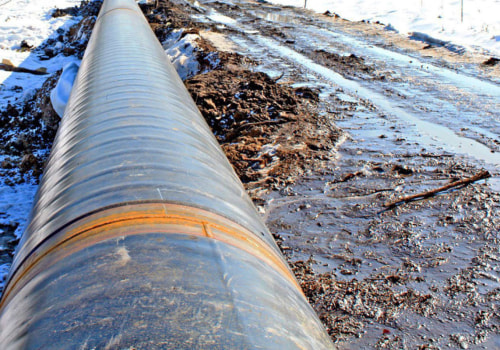
Acoustic leak detection is a sophisticated method that utilises sound waves to identify and locate leaks within various systems, particularly in plumbing and gas pipelines. This technology is based on the principle that all leaks produce distinct sounds as water or gas escapes from a pressurised system.By analysing these sounds, technicians can pinpoint the exact location of a leak, making it an invaluable tool in leak detection.
How Acoustic Sensors Work
Acoustic sensors are designed to detect the vibrations and sounds generated by leaks. When water escapes from a pipe, it creates a unique sound wave that travels through the surrounding materials, such as soil, concrete, or even air. Acoustic sensors are strategically placed along the pipeline or in areas where leaks are suspected. These sensors pick up the sound waves and convert them into electrical signals that can be analysed.The process typically involves:
- Sound Wave Detection: The sensor captures sound waves produced by the leak.
- Signal Processing: The captured signals are processed to filter out background noise and enhance the sound of the leak.
- Leak Location: By analysing the time it takes for sound waves to reach different sensors, technicians can triangulate the position of the leak with remarkable accuracy.
Additionally, acoustic leak detection can be performed without invasive digging or disruption to the property, making it a preferred choice for many homeowners and businesses.
Advantages of Acoustic Detection
The benefits of using acoustic leak detection technology are numerous:
- Non-Invasive: Unlike traditional methods that may require excavation, acoustic detection is non-invasive, preserving the integrity of your property.
- Precision: The ability to accurately locate leaks reduces repair time and costs, as technicians can target specific areas rather than searching blindly.
- Early Detection: By identifying leaks early, homeowners can prevent extensive damage and costly repairs associated with water or gas leaks.
- Versatility: Acoustic sensors can be used in various applications, including residential plumbing systems, commercial buildings, and industrial pipelines.
Thermal Imaging for Leak Detection
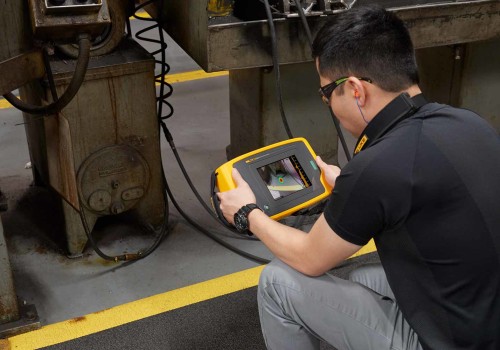
Thermal imaging technology has revolutionised the way we approach roof leak detection. By utilising infrared cameras, professionals can identify temperature variations on the surface of a roof, which often indicate the presence of moisture.This method is particularly effective because water has a different thermal conductivity compared to dry materials, allowing for clear visual differentiation.When a roof leaks, the moisture that seeps into the materials can cause them to retain heat differently than their dry counterparts. Infrared cameras detect these subtle differences in temperature, enabling technicians to pinpoint areas where leaks may be occurring without invasive measures. This non-destructive approach not only saves time but also minimises disruption to the property.
How Thermal Imaging Works
The process begins with the technician scanning the roof with an infrared camera. The camera captures thermal images that display temperature variations across the surface.Areas that are cooler than their surroundings may indicate moisture accumulation, as wet materials tend to cool down more quickly than dry ones. By analysing these thermal images, professionals can accurately locate potential leak sites.
Benefits of Using Thermal Imaging for Leak Detection
- Non-Invasive: Unlike traditional methods that may require cutting into walls or ceilings, thermal imaging allows for leak detection without damaging the property.
- Quick Results: The use of infrared technology enables rapid assessment of large areas, making it possible to identify leaks in a fraction of the time compared to conventional methods.
- Comprehensive Analysis: Thermal imaging can reveal hidden issues that may not be visible to the naked eye, such as leaks behind walls or under roofing materials.
- Cost-Effective: Early detection of leaks can prevent extensive damage and costly repairs, making thermal imaging a wise investment for property owners.
Moisture Meters and Their Role in Leak Detection
Moisture meters are essential tools in the realm of leak detection, providing invaluable insights into the presence of moisture within various materials.These devices are particularly useful for identifying hidden leaks that may not be immediately visible, allowing for timely intervention and damage prevention.There are several types of moisture meters, each designed to cater to specific needs and applications:
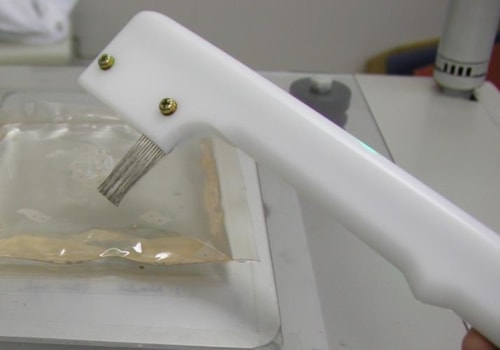
- Pin-type Moisture Meters: These devices use two metal probes that are inserted into the material being tested. The meter measures the electrical resistance between the probes, which varies with moisture content. This type is particularly effective for wood and other porous materials.
- Pinless Moisture Meters: Unlike pin-type meters, pinless models use electromagnetic signals to detect moisture levels without penetrating the material. This makes them ideal for larger areas and delicate surfaces where damage from probing is a concern.
- All-in-One Moisture Meters: Some advanced models combine both pin and pinless technologies, offering versatility for various applications.
These meters can provide comprehensive readings across different materials, making them a favourite among professionals.
When these waves encounter moisture, they reflect back differently than they would from dry material. The meter interprets these reflections to provide an accurate reading of moisture levels without causing any damage.The application of moisture meters in leak detection extends beyond just identifying leaks; they also help assess the extent of water damage and guide remediation efforts. By pinpointing areas with elevated moisture levels, property owners can take proactive measures to address potential leaks before they escalate into more significant issues.In summary, moisture meters play a pivotal role in leak detection by offering precise measurements of moisture content in various materials. Their ability to identify hidden leaks not only aids in immediate repairs but also contributes to long-term property maintenance and preservation.
Hydrostatic Pressure Testing: A Comprehensive Approach
Hydrostatic pressure testing is a vital method employed in the realm of roof leak detection, particularly for identifying leaks in roofing systems.This technique utilises the principles of fluid mechanics to assess the integrity of a roof by measuring its ability to withstand water pressure. The process is both systematic and effective, making it a preferred choice among professionals in the field.During hydrostatic pressure testing, a controlled amount of water is introduced onto the roof surface. This water is typically held at a specific height, simulating conditions that the roof may encounter during heavy rainfall or snowmelt. The key objective is to observe how well the roofing system can handle this added pressure without allowing any water to penetrate through to the underlying structures.
How Hydrostatic Testing Works
- The first step involves preparing the roof by ensuring it is clean and free from debris that could interfere with the test.
- Next, a water containment system is set up around the perimeter of the roof to prevent overflow and ensure accurate measurements.
- Water is then gradually added to the roof until it reaches the predetermined height, which is maintained for a specified duration.
- Throughout this period, inspectors monitor for any signs of leakage, such as water seeping through seams or joints.
By pinpointing these vulnerabilities, property owners can take proactive measures to reinforce their roofs before significant damage occurs.
Benefits of Hydrostatic Testing for Leaks
- Comprehensive Assessment: Hydrostatic testing provides a thorough evaluation of the entire roofing system, ensuring that no area is overlooked.
- Cost-Effective: By identifying leaks early, homeowners can avoid costly repairs associated with extensive water damage.
- Preventative Maintenance: Regular hydrostatic testing can be part of a broader maintenance strategy, helping to extend the lifespan of roofing materials.
- Peace of Mind: Knowing that your roof has been tested for leaks can provide reassurance, especially in regions prone to heavy rainfall.
Preventive Measures for Roof Leak Management
Preventing roof leaks is essential for maintaining the integrity of your home and avoiding costly repairs. Regular maintenance and proactive measures can significantly reduce the risk of leaks developing in your roof. Here are some practical tips to help you manage your roof effectively:- Regular Inspections: Conduct thorough inspections of your roof at least twice a year, ideally in spring and autumn.
Look for signs of wear and tear, such as cracked or missing shingles, rusted flashing, or damaged gutters.
- Clean Gutters and Downspouts: Ensure that your gutters and downspouts are free from debris. Clogged gutters can lead to water pooling on the roof, increasing the risk of leaks. Clean them regularly, especially after heavy storms or during the fall when leaves are abundant.
- Check for Overhanging Branches: Trim any overhanging branches that could potentially damage your roof during storms or high winds. Falling branches can create punctures or dislodge shingles, leading to leaks.
- Inspect Flashing: Flashing is crucial for directing water away from critical areas such as chimneys, vents, and skylights.
Regularly check the condition of flashing and replace any damaged sections to prevent water intrusion.
- Maintain Roof Coatings: If your roof has a protective coating, ensure it is maintained properly. Reapply coatings as recommended by the manufacturer to enhance waterproofing and extend the lifespan of your roof.
- Address Minor Repairs Promptly: If you notice any minor issues, such as small cracks or loose shingles, address them immediately. Ignoring these problems can lead to more significant damage over time.
- Install a Leak Detection System: Consider installing a leak detection system that can alert you to any moisture presence on your roof. These systems can provide early warnings before significant damage occurs.
Proactive maintenance not only protects your home but also saves you money in the long run by avoiding extensive repairs and potential water damage.
<strong>FAQs about Roof Leak Detection</strong>
When it comes to roof leak detection, many homeowners have questions about the process, effectiveness, and maintenance of their roofing systems. Here are some frequently asked questions that can help clarify these concerns.What are the common signs of a roof leak?
Identifying a roof leak early can save you from extensive damage and costly repairs. Common signs include:- Water stains on ceilings or walls, which may appear as discoloured patches.
- Mould or mildew growth, often indicating prolonged moisture exposure.
- Peeling paint or wallpaper, particularly in areas directly beneath the roof.
- Dripping water during rainstorms or melting snow.
- Missing or damaged shingles , which can expose the underlying structure to the elements.
How does professional roof leak detection work?
Professional roof leak detection typically involves a combination of visual inspections and advanced technology. Experts may use:- Infrared thermography : This technique detects temperature variations on the roof surface, indicating potential leaks.
- Aerial drone inspections : Drones equipped with high-resolution cameras can provide a comprehensive view of the roof's condition.
- Moisture meters : These devices measure moisture levels within roofing materials to pinpoint leaks.
Can I detect roof leaks myself?
While professional services are recommended for thorough inspections, homeowners can perform basic checks.Look for visible signs of damage, inspect your attic for moisture, and check gutters for debris that could cause water backup. However, if you suspect a serious issue, it’s best to consult a professional.
How often should I have my roof inspected for leaks?
It is advisable to have your roof inspected at least once a year, especially after severe weather events. Regular maintenance can help identify potential issues before they escalate into significant problems.What should I do if I find a leak?
If you discover a leak, it’s crucial to act quickly:- Contain the water: Use buckets or towels to prevent further damage inside your home.
- Identify the source: Try to locate where the water is entering your home.
- Contact a professional: Schedule an inspection with a qualified roofing contractor to assess and repair the damage.