Roof leaks are a pervasive issue that can lead to significant damage if not addressed promptly. They can occur in various forms, from minor drips to substantial water intrusion, and their effects can be devastating. Understanding the common causes of roof leaks is crucial for homeowners and property managers alike. Factors such as age, weather conditions, and poor installation practices can all contribute to the deterioration of roofing materials, leading to leaks that may go unnoticed until they cause serious problems.One of the primary causes of roof leaks is the wear and tear that occurs over time.
As roofs age, materials can become brittle and lose their effectiveness in repelling water. Additionally, extreme weather events—such as heavy rain, snow, or hail—can exacerbate existing vulnerabilities in the roofing system. Other common culprits include clogged gutters, damaged flashing around chimneys or vents, and improperly sealed roof penetrations. Each of these issues can create pathways for water to enter your home, often leading to costly repairs if left unchecked.The importance of timely leak detection cannot be overstated.
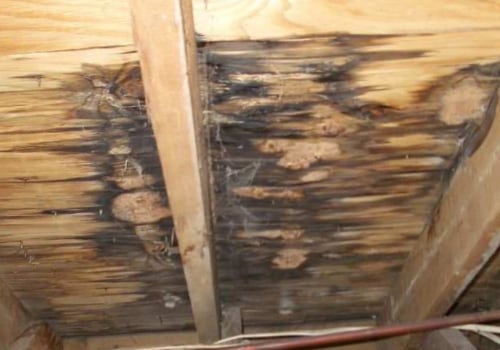
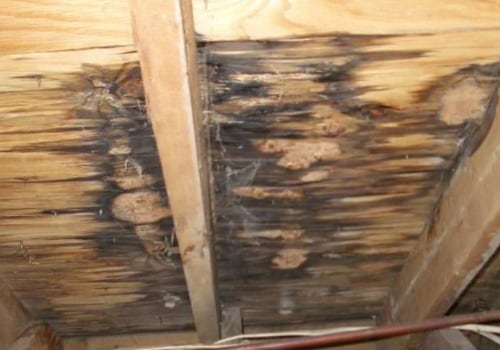
Undetected leaks can result in a range of problems, from unsightly water stains on ceilings and walls to more severe structural damage that compromises the integrity of your home. Furthermore, prolonged exposure to moisture can lead to mould growth, which poses health risks to occupants. By investing in professional roof leak detection services, homeowners can identify potential issues before they escalate into major repairs. Early detection not only saves money but also protects the overall value of your property.
Common Causes of Roof Leaks
Understanding the common causes of roof leaks is essential for homeowners and property managers alike.Roof leaks can lead to significant damage if not addressed promptly, making it crucial to identify the underlying issues that contribute to these problems.
1.Weather Conditions
- Rain and Snow: Prolonged exposure to heavy rain or melting snow can overwhelm roofing materials, leading to leaks. Water can seep through cracks or gaps, especially in older roofs.
- Wind: High winds can lift shingles or tiles, exposing the underlying layers of the roof to moisture. This is particularly common in storms where debris may also cause physical damage.
- Temperature Fluctuations: Extreme temperature changes can cause roofing materials to expand and contract, leading to cracks and eventual leaks. This is especially true for materials like asphalt shingles.
2.Material Degradation
- Aging Materials: Over time, roofing materials naturally degrade due to exposure to the elements.
Shingles may become brittle, while membranes can lose their waterproofing capabilities.
- Poor Quality Materials: Using substandard materials during installation can lead to premature failure. It’s essential to invest in high-quality roofing products that are designed to withstand local weather conditions.
- Lack of Maintenance: Regular inspections and maintenance are vital for prolonging the life of a roof. Neglecting minor repairs can lead to more significant issues down the line.
3.Installation Errors
- Poor Installation Techniques: Incorrect installation of roofing materials can create vulnerabilities. For instance, improperly sealed flashing around chimneys or vents can allow water ingress.
- Inadequate Drainage: Roofs that do not have proper drainage systems can accumulate water, leading to leaks.
Flat roofs are particularly susceptible if not designed with adequate slope.
- Lack of Ventilation: Insufficient ventilation in the attic space can lead to moisture buildup, which may eventually compromise the roof structure and lead to leaks.
Signs of a Roof Leak
Identifying the signs of a roof leak early can save homeowners from extensive damage and costly repairs. Roof leaks can manifest in various ways, some of which are more obvious than others. Understanding these signs is crucial for maintaining the integrity of your home.Visible Signs of Roof Leaks
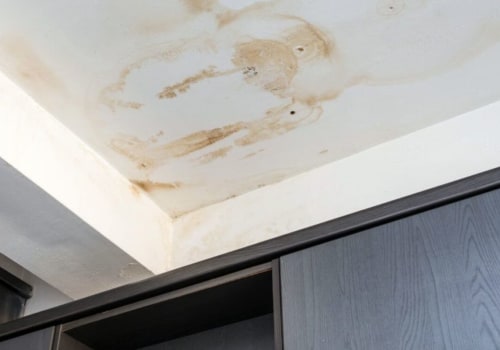
One of the most apparent indicators of a roof leak is water stains on ceilings or walls. These stains often appear as discoloured patches, typically yellow or brown, and may be accompanied by peeling paint or wallpaper.If you notice these stains, it’s essential to investigate further, as they can indicate that water is seeping through your roof.Another visible sign is the presence of mould or mildew. These fungi thrive in damp environments and can develop on walls, ceilings, or even in hidden areas like attics. If you detect a musty smell or see mould growth, it’s a strong indication that moisture is present due to a roof leak.
Hidden Symptoms of Water Damage
While some signs are visible, others may be hidden from plain sight. For instance, if you notice an increase in your energy bills, it could be due to compromised insulation caused by water damage.Wet insulation loses its effectiveness, leading to higher heating and cooling costs.Additionally, if you find that your roof shingles are curling, buckling, or missing altogether, this could signal underlying issues that may lead to leaks. Regular inspections of your roof can help catch these problems before they escalate.
Other Indicators to Watch For
- Dripping Sounds: If you hear dripping sounds during rainstorms, it’s a clear sign that water is entering your home.
- Wet Spots in Attics: Inspect your attic for any wet spots or dampness; this can indicate a leak above.
- Increased Pest Activity: Water leaks can attract pests like termites and rodents, so an uptick in their activity may suggest moisture issues.
Traditional Methods of Roof Leak Detection
When it comes to identifying roof leaks, traditional methods remain a cornerstone of leak detection practices. These techniques, while sometimes overshadowed by modern technology, offer valuable insights into the condition of a roof and can effectively pinpoint issues when executed correctly.Visual Inspection
A visual inspection is often the first step in detecting roof leaks.This method involves a thorough examination of the roof's surface and surrounding areas for any visible signs of damage or wear. Inspectors look for:
- Cracks or blisters in the roofing material
- Missing or damaged shingles
- Debris accumulation , which can trap water
- Rust or corrosion on metal components
- Stains or discoloration on ceilings and walls inside the building
Water Testing Techniques
Another traditional method for detecting roof leaks is through water testing techniques.This approach typically involves simulating rainfall to observe how water interacts with the roof system. There are two common methods:
- Garden Hose Method: This straightforward technique involves using a garden hose to spray water on specific sections of the roof while someone inside monitors for leaks. By isolating areas and applying water systematically, inspectors can identify the source of leaks more accurately.
- Flood Testing: More comprehensive than the garden hose method, flood testing involves covering a section of the roof with water for an extended period. This method is particularly useful for flat roofs, as it allows inspectors to observe how water behaves over time and identify any potential weak points.
For example, they require careful planning and execution to avoid causing further damage to the roof or surrounding structures. Moreover, these methods may not be suitable for all types of roofing systems.In conclusion, traditional methods such as visual inspections and water testing techniques play a crucial role in roof leak detection. While they may not always provide a complete picture, when used in conjunction with modern technologies, they can significantly enhance the accuracy and effectiveness of leak detection efforts.
Advanced Technologies in Roof Leak Detection
In the realm of roof leak detection, traditional methods often fall short in terms of efficiency and accuracy. Fortunately, advancements in technology have paved the way for more sophisticated solutions that not only enhance the detection process but also minimise potential damage to properties.Two of the most notable technologies making waves in this field are infrared thermography and electronic leak detection .
Infrared Thermography
Infrared thermography
is a non-invasive technique that utilises thermal imaging cameras to detect temperature variations on the roof surface. This method is particularly effective because it can identify areas where moisture has infiltrated, even if there are no visible signs of a leak. The principle behind this technology is simple: water has a different thermal conductivity compared to dry materials. By capturing thermal images, professionals can pinpoint cooler areas that may indicate trapped moisture beneath the roof membrane.The advantages of infrared thermography include:
- Non-destructive testing: Unlike traditional methods that may require physical alterations to the roof, infrared thermography allows for a thorough inspection without causing any damage.
- Quick results: Thermal imaging can provide immediate feedback, enabling faster decision-making regarding repairs.
- Comprehensive analysis: This technology can cover large areas quickly, making it ideal for extensive roofing systems.
Electronic Leak Detection
Electronic leak detection (ELD)
, on the other hand, employs electrical currents to identify leaks in waterproof membranes.
This method involves placing conductive plates beneath the roofing material and applying a low-voltage current. When a leak occurs, the electrical circuit is disrupted, allowing technicians to locate the exact point of failure.The benefits of electronic leak detection include:
- Precision: ELD provides pinpoint accuracy in locating leaks, reducing the need for extensive exploratory work.
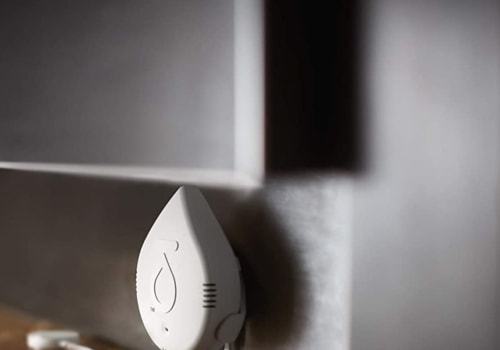
- Real-time monitoring: Some ELD systems can be integrated with automated monitoring solutions, providing continuous oversight of roof conditions and alerting property owners to potential issues before they escalate.
- Cost-effective: By identifying leaks early and accurately, ELD can save property owners significant repair costs associated with water damage.
The Role of Professional Leak Detection Services
When it comes to roof leak detection, the expertise of professional leak detection services cannot be overstated. While some homeowners may attempt to identify and fix leaks on their own, the complexities involved often require the skills of trained professionals.Hiring a reputable leak detection company ensures that the source of the leak is accurately identified and effectively repaired, preventing further damage and costly repairs down the line.One of the primary benefits of engaging a professional service is their access to advanced technology and tools. Techniques such as infrared thermography and electronic leak detection (ELD) allow experts to pinpoint leaks with precision. These methods can detect moisture trapped within roofing materials, even when there are no visible signs of water damage. This level of accuracy is crucial, as it helps avoid unnecessary repairs and ensures that the root cause of the problem is addressed.Moreover, professional leak detection services come equipped with extensive knowledge and experience in handling various roofing systems.
They understand how different materials react to moisture and can assess the condition of your roof comprehensively. This expertise is invaluable, especially for complex roofing structures where leaks may not be immediately apparent.When selecting a leak detection company, consider the following factors:
- Reputation: Look for companies with positive reviews and testimonials from previous clients. A strong reputation often indicates reliability and quality service.
- Certifications: Ensure that the company employs certified professionals who are trained in modern leak detection techniques.
- Comprehensive Services: Choose a company that offers a full range of services, from initial inspection to repair, ensuring a seamless process.
- Warranty: A reputable company should provide warranties on their work, giving you peace of mind regarding the longevity of their repairs.
Preventative Measures for Roof Leak Management
Preventing roof leaks is essential for maintaining the integrity of your home and avoiding costly repairs.Regular maintenance and proactive care can significantly extend the lifespan of your roof while ensuring it remains watertight. Here are some effective strategies to help you manage your roof and prevent leaks:
- Regular Inspections: Conduct thorough inspections of your roof at least twice a year, ideally in spring and autumn. Look for signs of wear, such as cracked or missing shingles, rusted flashing, or damaged gutters.
- Clean Gutters and Downspouts: Clogged gutters can lead to water pooling on your roof, increasing the risk of leaks. Ensure that gutters and downspouts are free from debris, leaves, and dirt to facilitate proper drainage.
- Trim Overhanging Branches: Trees that hang over your roof can cause damage during storms or high winds.
Regularly trim branches to prevent them from scraping against the roof surface or falling onto it.
- Check Flashing: Flashing is crucial for sealing joints and preventing water ingress. Inspect the flashing around chimneys, vents, and skylights for any signs of damage or deterioration.
- Inspect Roof Penetrations: Areas where pipes, vents, or other structures penetrate the roof are common leak points. Ensure that these areas are properly sealed with appropriate materials to prevent water entry.
- Winter Preparation: Before winter sets in, ensure that your roof is clear of snow and ice buildup. Heavy snow can lead to structural stress and potential leaks.
- Spring Cleaning: After winter, inspect for any damage caused by snow or ice.
Clean gutters thoroughly to prepare for spring rains.
- Summer Maintenance: Check for any signs of wear due to UV exposure. Consider applying a protective coating if necessary.
- Autumn Readiness: As leaves fall, ensure that gutters are cleaned again to prevent blockages during heavy rains.
FAQs About Roof Leak Detection
When it comes to roof leak detection, homeowners often have numerous questions. Understanding these common queries can help demystify the process and empower you to take action when necessary.What are the signs of a roof leak?
Identifying a roof leak early can save you from extensive damage. Look for:- Water stains on ceilings or walls, which may appear as discoloured patches.
- Mould or mildew growth, particularly in areas with poor ventilation.
- Peeling paint or wallpaper, indicating moisture behind the surface.
- Damp spots on the roof itself, especially after heavy rain.
- Dripping water during rainfall, which is a clear indicator of a leak.
How can I detect a roof leak myself?
If you suspect a leak, you can perform a simple test:- Inspect your roof for visible damage, such as missing shingles or cracks.
- Use a garden hose to wet sections of the roof systematically, starting from the bottom and moving upwards.
- Have someone inside the house monitor for any signs of water intrusion while you spray.
When should I call a professional?
If you notice persistent signs of leaks or if your DIY efforts do not yield results, it’s time to contact a professional.Experts use advanced techniques like infrared thermography and moisture mapping to accurately locate leaks that may not be visible to the naked eye. Additionally, if your roof is older or has been previously repaired, professional assessment is crucial to prevent further damage.
Can I prevent roof leaks?
Yes! Regular maintenance is key to preventing leaks:- Inspect your roof at least twice a year and after severe weather events.
- Cleans gutters regularly to ensure proper drainage and avoid water pooling on the roof.
- Trim overhanging branches that could damage roofing materials during storms.
- Consider professional inspections , especially if your roof is nearing the end of its lifespan.
Conclusion: Ensuring a Leak-Free Roof
In conclusion, ensuring a leak-free roof is not merely a matter of convenience; it is essential for the longevity and integrity of your property. As we have explored throughout this article, roof leak detection plays a pivotal role in safeguarding your home or business from the potentially devastating effects of water damage.Regular maintenance and timely intervention are key to preventing minor issues from escalating into major problems. By adopting a proactive approach to roof care, homeowners can significantly reduce the risk of leaks and the associated costs of repairs.Here are some critical takeaways:
- Routine Inspections: Conducting regular inspections of your roof can help identify early signs of wear and tear. Look for cracked shingles, damaged flashing, or any debris that may obstruct drainage.
- Professional Assessments: Engaging a qualified roofing contractor for periodic assessments ensures that any hidden issues are detected before they become serious. Professionals have the tools and expertise to identify problems that may not be visible to the untrained eye.
- Utilising Technology: Embracing modern technologies such as infrared thermography and electronic leak detection can enhance your ability to pinpoint leaks accurately. These methods provide insights into moisture levels within roofing materials, allowing for targeted repairs.
- Quality Repairs: When leaks are detected, it is crucial to address them promptly with high-quality materials and workmanship.
Relying on subpar repairs can lead to recurring issues and increased costs over time.